Live Shopping Explained: What Merchants Need to Know About Real-Time Selling Online
Live shopping blends livestream video and instant shopping, letting viewers interact and buy as they watch. Here’s how the format works, and what it means for merchants and creators in 2026.
Livestream shopping, sometimes called live shopping, continues to shake up how people buy online. As first reported by answebsolution.com, this format brings product demos, customer questions, and checkout together in a single, interactive broadcast. Merchants and creators now reach customers directly, no middleman, no static product page. Shoppers see products in action, ask questions, and buy instantly without leaving the stream.
What Live Shopping Looks Like in Practice
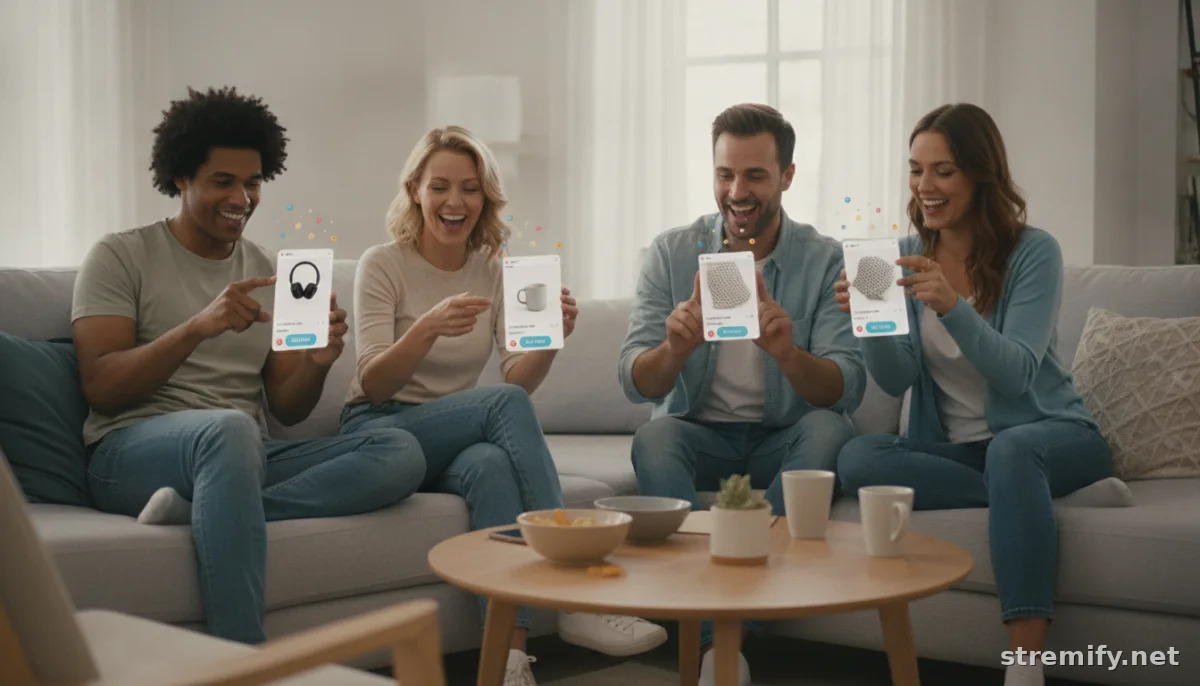
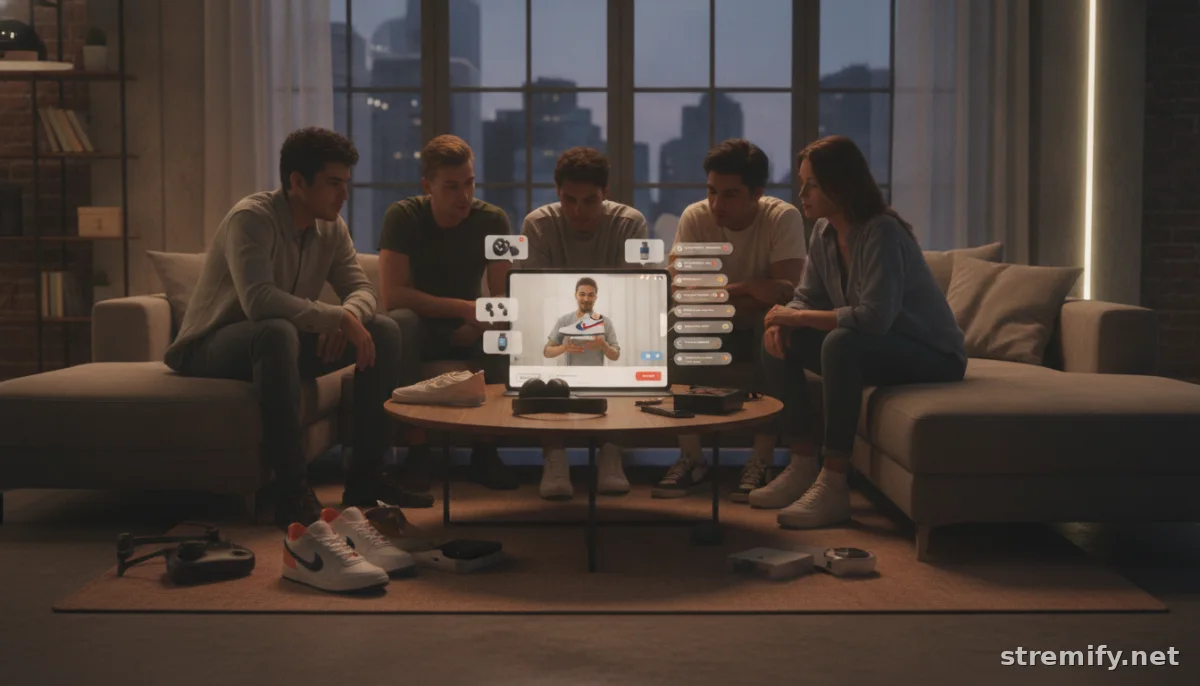
During a live shopping event, a host presents products over live video. Viewers tune in via a scheduled link, a social media share, or a direct notification. The presenter showcases features, answers live questions in chat, and spotlights offers or bundles. Product cards appear on screen, giving shoppers one-click access to buy.
Shoppers get what ordinary e-commerce can’t deliver: a moving look at products, real-time answers, and the chance to nudge the host for close-ups or clarifications. Some platforms, like Stremify, make it even easier, buyers can order simply by commenting during the stream, and sellers can go live straight from their browser. There’s no technical setup or TV studio required.
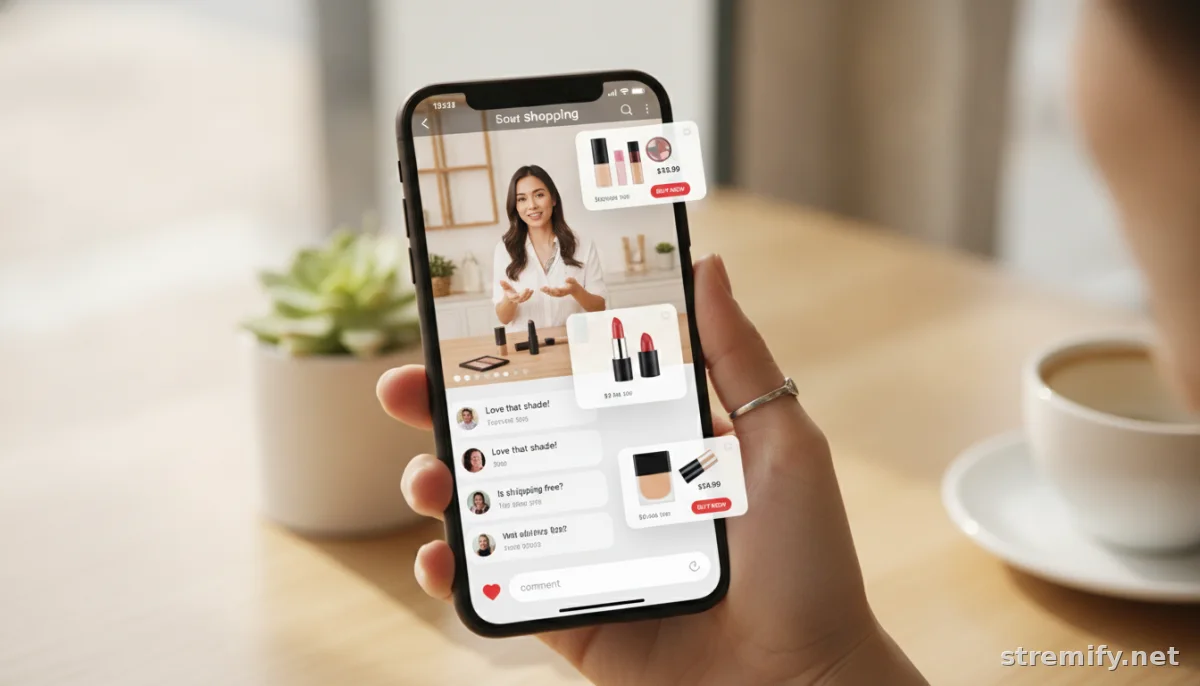
Unlike recorded videos or static posts, live shopping depends on direct interaction. The experience runs on several core components, as outlined by answebsolution.com:
- Reliable livestream video and audio
- Up-to-date product info and availability
- Real-time chat and moderation
- Instant checkout and payment integration
- Analytics to track engagement and sales
Checkout may happen directly in the video window, or send buyers to the retailer’s site. Fulfillment and support still follow regular e-commerce processes, but everything from demo to decision speeds up dramatically.
How Live Shopping Differs from Traditional and Social Commerce
Traditional e-commerce is all about anytime access, browse, search, compare, and buy when you want. With live shopping, time matters. Events are scheduled, creating urgency and driving immediate action. Seeing a product in use, with live answers to objections, helps overcome hesitation in ways pre-recorded reviews and photos rarely can.
While social commerce uses Instagram posts, Facebook Shops, and shoppable video clips to blend social discovery and buying, live shopping stands apart as a real-time, interactive experience. Sellers may use social platforms to reach their audience, but the live format is what defines the category. Merchants should check which social channels actually support true livestream selling and which just offer shoppable posts or links.
| Channel | Product Discovery | Live Demo | Real-Time Q&A | Instant Checkout |
|---|---|---|---|---|
| Traditional E-commerce | Yes | No | No | Yes |
| Social Commerce | Yes | Sometimes (Recorded) | No | Yes (varies) |
| Live Shopping | Yes | Yes (Live) | Yes | Yes (Often In-Stream) |
What Merchants and Creators Should Take From This Shift
If you sell online, live shopping is less a trend and more a shift in customer expectations. Creators and merchants who embrace real-time video get a few key advantages:
- Objection handling: You can address buyer concerns as they surface, not days later over email.
- Higher engagement: Features like interactive quizzes (a tactic we use at Stremify) keep viewers involved and on the stream longer, increasing the chance they convert.
- Broader reach: Tools now let you stream to YouTube, Facebook, TikTok, Twitch, and Instagram all at once, so you meet customers where they’re already tuned in.
The operational side requires tight prep: product details must be current, inventory accurate, and checkout flawless. We’ve found that pulling product feeds instantly from platforms like Shopify or WooCommerce keeps catalogue info synced and live sessions running smoothly.
This isn’t just about selling more during one event. The data from live sessions improves future campaigns, analytics tell you which products connected, which demos fell flat, and what triggered sales in real time. Merchants who use these insights refine their offers and build repeat audiences.
Looking Ahead
Live shopping isn’t for every business model, but for merchants with visually demonstrable products or engaged communities, it’s become a proven channel. As reported by answebsolution.com, the right mix of technology and human presence drives stronger connections. Platforms like Stremify let sellers start quick, stream everywhere, and offer true instant purchase, no technical hurdles needed. For sellers who want to keep up with how audiences buy in 2026, live shopping is now table stakes. If you want to explore browser-based live selling with instant comment-to-buy, Stremify can get you started.
Frequently asked questions
What is live shopping and how does it work?
Live shopping is an online retail method using livestream video to showcase products, answer viewer questions in real time, and enable instant purchasing during the broadcast.
How is live shopping different from traditional e-commerce?
Unlike traditional e-commerce, live shopping relies on real-time video, viewer interaction, and in-stream purchasing, making the shopping experience more immediate and interactive.
Which platforms support live shopping events?
Many leading platforms offer live shopping features now, including Stremify, Instagram, Facebook, TikTok, YouTube, and Twitch, each with varying tools and capabilities for sellers.
What products work best for live shopping?
Products that benefit from visual demonstration or storytelling, like beauty, fashion, electronics, or home goods, tend to perform best in live shopping broadcasts.
Do buyers need special apps or hardware for live shopping?
No, viewers typically join live shopping events through their web browsers or social media apps on smartphones, tablets, or computers. No additional hardware is needed.